
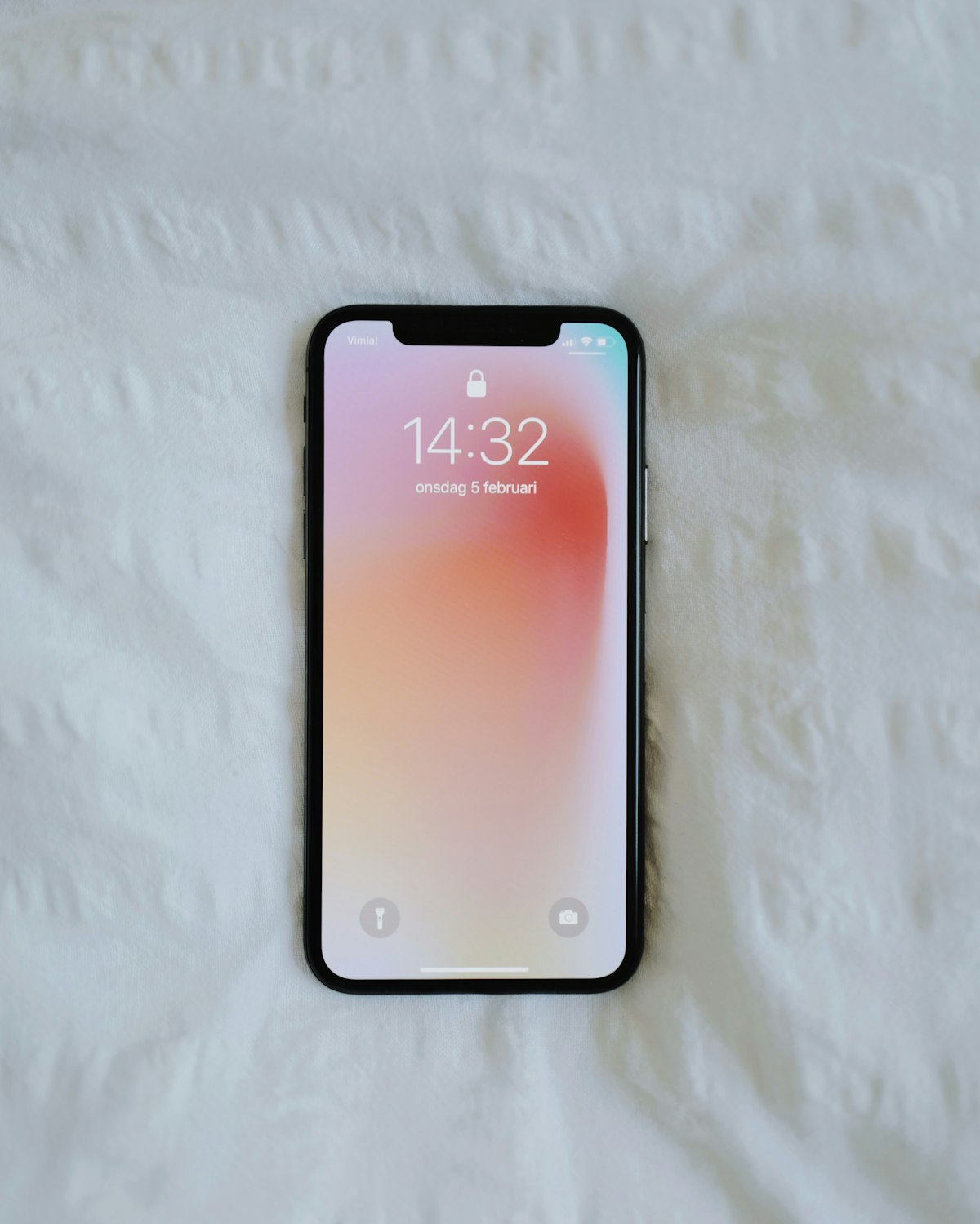
Why Display Quality Determines 80% of Smartphone Experience
We interact with our smartphones hundreds of times a day. While processors and megapixels often dominate promotional marketing campaigns, the display panel is what you actually look at during every moment of use. In bright Indian tropical sunlight, a screen that lacks adequate peak nit brightness or anti-reflective coating quickly becomes unreadable.
OLED vs AMOLED vs Super AMOLED: What's the Difference?
At their core, all modern premium mobile displays are variants of Organic Light Emitting Diode (OLED) technology. Unlike traditional LCDs that require a separate LED backlight illuminating the entire panel from behind, each pixel in an OLED screen produces its own individual light.
- True Infinite Blacks: When an OLED display renders black, the corresponding pixels turn off completely (0 nits), creating infinite contrast ratios and zero light bleed.
- AMOLED (Active Matrix OLED): Incorporates a thin-film transistor (TFT) layer that allows precise control over individual subpixels, enabling higher refresh rates (120Hz+) and lower power consumption.
- Super AMOLED: Samsung's proprietary panel brand that integrates the touch-sensor digitizer layer directly into the glass instead of overlaying it on top, reducing screen thickness and minimizing internal reflections.
What is LTPO and Why Does It Matter for Battery Life?
Low-Temperature Polycrystalline Oxide (LTPO) is an advanced backplane technology found primarily in flagship and upper-midrange smartphones. Traditional AMOLED panels operate at fixed refresh rates (e.g. 60Hz or 120Hz). Even when viewing a static photo or reading an ebook, a standard 120Hz panel refreshes 120 times every single second, needlessly draining battery power.
LTPO panels dynamically scale the refresh rate in real-time from 1Hz up to 120Hz depending on the content on-screen:
- Always-On Display (AOD): Drops to 1Hz, sipping negligible battery power while displaying the clock and notifications.
- Reading E-Books / Articles: Automatically scales down to 10Hz or 24Hz when reading stationary text.
- Streaming Movies: Syncs to 24fps or 30fps to match the native frame rate of cinematic video without telecine judder.
- Fast Scrolling & Gaming: Immediately ramps up to 120Hz for lightning-fast touch response.
High Frequency PWM Dimming & Eye Comfort
Traditional OLED panels control brightness by flickering the screen on and off at rapid intervals (Pulse Width Modulation). For sensitive users, low-frequency PWM (e.g. 240Hz or 480Hz) can cause noticeable eye strain, headaches, and fatigue when reading in dark bedrooms.
Modern Chinese and Korean display manufacturers (BOE, Visionox, Samsung Display) now implement 2160Hz, 3840Hz, or 4320Hz ultra-high frequency PWM dimming or hardware-level DC dimming, ensuring comfortable, flicker-free viewing at low brightness.