Xiaomi 18 Fold vs iPhone Ultra: Xiaomi Moves First in the Foldable Phone Race
Xiaomi is preparing to enter a new phase of the foldable smartphone race with the Xiaomi 18 Fold, just days before Apple's expected debut of its first foldable iPhone. Here's what we know so far and why the timing could make this one of the most interesting smartphone battles of 2026.
Xiaomi is getting there first
Xiaomi has confirmed that the Xiaomi 18 Fold will launch on September 7, putting the company's new foldable ahead of Apple's September 9 event, where the long-rumoured iPhone Ultra is widely expected to make its debut.
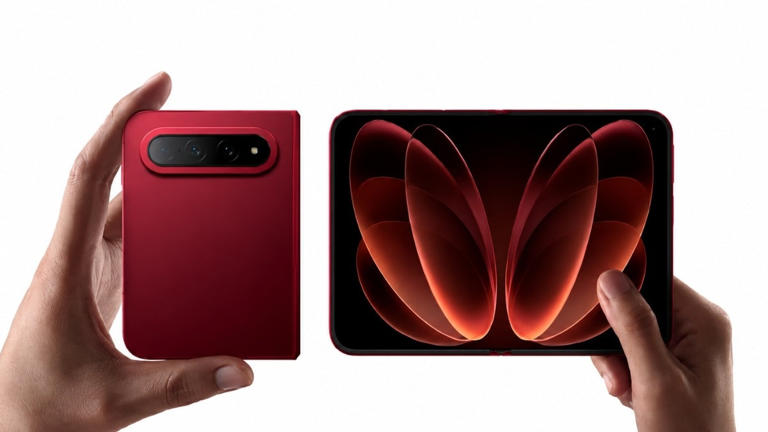
Xiaomi 18 Fold
Xiaomi's new wide-format foldable smartphone.
iPhone Ultra
Apple's first foldable iPhone, pending official announcement.
Xiaomi 18 Fold vs iPhone Ultra: Why This Comparison Matters
Foldable smartphones have moved from experimental devices to one of the most competitive categories in the premium phone market. Samsung, Xiaomi, Huawei and several other manufacturers have already spent years refining the form factor.
Apple, however, has stayed away from the category so far. That could change with the much-rumoured iPhone Ultra, which is expected to be Apple's first foldable iPhone.
Xiaomi's decision to launch the 18 Fold on September 7 makes the timing particularly interesting. Apple's major September event is scheduled for September 9, putting both devices in the spotlight within the same week.
Xiaomi 18 Fold: What We Know
Xiaomi has positioned the 18 Fold as a wide-format foldable designed to combine the portability of a smartphone with a larger display when opened.
Reports indicate that the device will feature a 5.38-inch cover display and a 7.58-inch internal display. The phone is also expected to use Xiaomi's in-house XRing O3 processor.
Xiaomi has also been highlighting durability. The company's Dragon Bone Hinge and dual-layer ultra-thin glass are designed to improve the durability of the folding mechanism and display.
Design: Two Different Approaches to a Foldable
The Xiaomi 18 Fold is expected to follow a wide, passport-style foldable design. When closed, it remains relatively compact, while opening the device provides a substantially larger screen.
Apple's expected iPhone Ultra is also rumoured to use a similar book-style foldable approach. This means the two devices could end up competing for buyers who want a phone that can transform into a tablet-like device.
The biggest difference may ultimately come down to thickness, weight, hinge design, display crease and how each company's software takes advantage of the larger internal screen.
Xiaomi 18 Fold vs iPhone Ultra: Expected Comparison
| Feature | Xiaomi 18 Fold | iPhone Ultra |
|---|---|---|
| Launch timing | September 7, 2026 | Expected September 9, 2026 |
| Form factor | Wide book-style foldable | Expected book-style foldable |
| Cover display | Reported 5.38-inch | Reported around 5.5-inch |
| Internal display | Reported 7.58-inch | Reported around 7.8-inch |
| Processor | XRing O3 | Expected Apple silicon |
| Operating system | HyperOS | Expected iOS |
| Hinge | Xiaomi Dragon Bone Hinge | Not officially confirmed |
| Global availability | Not yet confirmed | Not yet officially confirmed |
Performance Could Be Another Major Battle
Xiaomi's 18 Fold is expected to use the company's XRing O3 chipset, representing another step in Xiaomi's push toward developing more of its smartphone technology in-house.
Apple's foldable is expected to use Apple's own silicon platform. If Apple follows its traditional approach, performance will likely be only one part of the equation. Tight integration between the processor, operating system and applications could be one of the biggest advantages of Apple's foldable.
Xiaomi, meanwhile, has the advantage of several years of experience developing large-screen Android interfaces and foldable hardware.
Display: Bigger Is Not Always Better
Foldable buyers are increasingly looking beyond screen size. The quality of the hinge, crease visibility, brightness, refresh rate, durability and software optimisation can have just as much impact on everyday use.
The Xiaomi 18 Fold is reported to feature a 7.58-inch internal display, while Apple's foldable has been widely rumoured to use a display around 7.8 inches.
On paper, Apple's screen could be slightly larger, but real-world usability will depend on the final aspect ratio and software design.
Software Could Decide the Winner
This could be the most important part of the comparison.
Xiaomi can use HyperOS to create a flexible experience across the cover and internal screens. Multitasking, app resizing and tablet-style interfaces will be important for making the large display genuinely useful.
Apple could take a different approach. Its biggest advantage may be software consistency. iOS and Apple's tightly controlled ecosystem give the company significant control over how applications behave across different screen sizes.
If Apple manages to make applications transition seamlessly between the external and internal screens, the software experience could become one of the iPhone Ultra's strongest selling points.
Durability: Xiaomi Is Already Talking About It
Durability remains one of the biggest concerns for foldable phones. Consumers naturally expect a device costing well over the price of a conventional flagship to survive years of opening and closing.
Xiaomi has highlighted the durability of the 18 Fold's hinge and display. The company's Dragon Bone Hinge uses a three-stage linkage structure, while the display uses dual-layer ultra-thin glass.
Xiaomi has also claimed drop resistance of up to 1.2 metres for the device, according to information shared by Xiaomi.
Price Could Change the Competition
Pricing is likely to be one of the most important factors in the Xiaomi 18 Fold versus iPhone Ultra comparison.
The iPhone Ultra is expected to occupy Apple's ultra-premium segment, with reports suggesting a price around or above the US$2,000 mark. However, Apple has not officially announced the device or its final pricing yet.
Xiaomi could attempt to undercut Apple, particularly in markets where premium Android foldables already have an established customer base.
The final Indian pricing will therefore be extremely important. A significant price gap could make Xiaomi's foldable considerably more attractive to buyers who want the hardware without paying Apple's premium.
Why Apple's Foldable Could Still Be a Big Deal
Apple does not necessarily need to introduce the first foldable phone to dominate the category. The company has historically entered some product categories later than competitors while relying on its ecosystem and software integration to attract users.
A foldable iPhone could bring millions of existing iPhone users into the category who have previously ignored Android foldables.
That could significantly expand the overall foldable smartphone market.
Xiaomi 18 Fold vs iPhone Ultra: Who Should Wait?
Xiaomi fans should watch for:
- Final launch price.
- Global and Indian availability.
- Battery capacity and charging speed.
- Actual hinge durability.
- Camera specifications.
- HyperOS foldable features.
Apple fans should watch for:
- Official iPhone Ultra announcement.
- Final display sizes.
- Thickness and weight.
- Camera configuration.
- Battery and charging.
- Final price and availability.
MobileIndya Verdict
The Xiaomi 18 Fold and Apple's expected iPhone Ultra could become one of the most interesting foldable phone matchups of 2026.
Xiaomi has one immediate advantage: it is moving first. With the Xiaomi 18 Fold scheduled for September 7, the company will have its new foldable in the spotlight before Apple's September 9 event.
Apple, however, could have a different kind of advantage. The iPhone ecosystem, Apple's silicon and tight control over software could make the iPhone Ultra particularly appealing to existing iPhone users.
At this stage, it would be too early to declare a winner. Xiaomi's device is closer to becoming a confirmed product, while many details about the iPhone Ultra remain officially unannounced.
For now, Xiaomi wins the race to launch. Apple could still win the race for attention.
Bottom line: September 2026 could mark an important turning point for foldable phones. Xiaomi is preparing to launch the 18 Fold on September 7, while Apple is expected to reveal its first foldable iPhone on September 9. Once both devices are officially announced, a detailed MobileIndya comparison of price, display, cameras, battery, performance and software will provide a clearer answer on which foldable is the better buy.